 English
 Indonesia

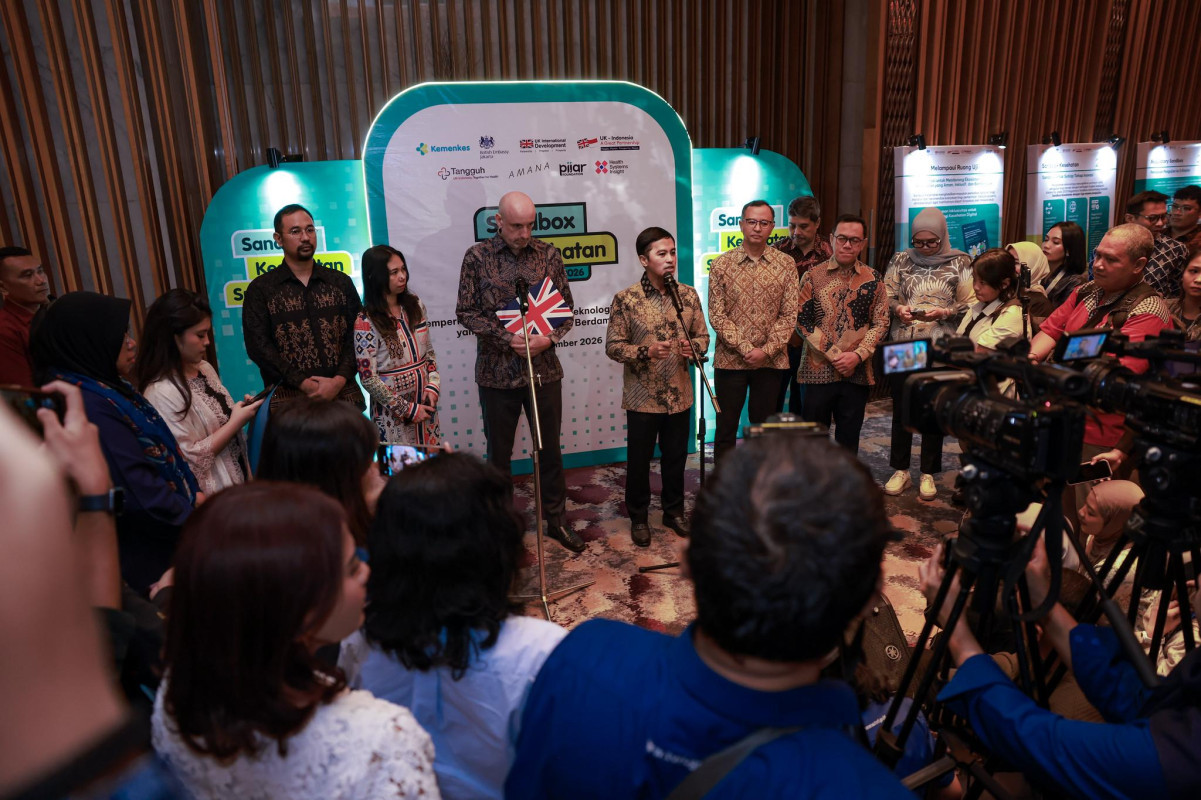
Deputy Minister of Health of Indonesia, Dante Saksono Harbuwono, affirmed that the Ministry of Health (MoH) of Indonesia will regulate all digital healthcare platforms. The regulations cover telemedicine practices, medical record documentation, and service pricing to ensure that digital innovations are implemented safely, accountably, and responsibly.
The statement was delivered at the Forum on the Dissemination of Achievements and Strengthening Collaboration within Indonesia’s Health Technology Innovation Ecosystem, held as part of the 2026 Sandbox Kesehatan Summit in Jakarta on Tuesday (10/11). The event marked the third anniversary of the Sandbox Kesehatan program, a collaborative initiative between MoH Indonesia and the British Embassy Jakarta (BEJ).
“One of the government’s responsibilities is to govern by establishing regulations for all digital health platforms operating in Indonesia,” Dante emphasized.
According to Deputy Health Minister Dante, digital health innovations have accelerated rapidly since the COVID-19 pandemic. Various information technology-based services have emerged, ranging from telemedicine and online health consultations to the PeduliLindungi application.
Today, people are also increasingly turning to artificial intelligence (AI) to seek health information and assess their symptoms before consulting a doctor. However, these developments also raise concerns about the accuracy and accountability of health information circulating in the digital space.
To address this issue, MoH Indonesia has published the Sandbox Kesehatan guidelines to ensure that AI and telemedicine innovations developed by innovators are accountable. Under these regulations, telemedicine services must be properly documented in medical records, health information must have legal accountability, and telemedicine practices must be comprehensively regulated. This includes the medical practice licenses (SIP) of doctors providing consultations, as well as pricing for digital healthcare services.
In addition to ensuring accountability, Deputy Health Minister Dante emphasized that health digitalization must expand public access to healthcare rather than widen disparities in healthcare services across regions. Through digital platforms, people in remote areas, including Papua, are expected to be able to identify and access nearby doctors based on their specific healthcare needs.
“Digital healthcare services should not widen disparities. Instead, they should bring healthcare services closer to communities in tangible ways,” he affirmed.
On the same occasion, Head of the Center for Data and Information Technology (Pusdatin) at MoH Indonesia, Eko Sulistijo, explained that the 2026 Sandbox Kesehatan Summit reflects the ministry’s commitment to advancing the testing of health technology innovations as part of the national health transformation agenda.
“Health technology innovations create opportunities for Indonesian innovators to develop solutions that improve public healthcare services, from primary care to referral services. Innovations that successfully pass the Sandbox Kesehatan assessment will be encouraged to pursue regulatory and industry recommendations and join partners who can further enrich healthcare services," Eko said.
Support for the development of the digital health innovation ecosystem was also expressed by Samuel Hayes, Head of Economics and Social Affairs at the British Embassy Jakarta. He said that the United Kingdom is proud to have supported the MoH Indonesia in developing a regulatory sandbox for health innovation since 2023.
Hayes noted that in its first year of implementation, only 15 innovators registered. Today, more than 60 innovations have participated in the testing process, with 39 having received accreditation.
"The United Kingdom was actually the first country to introduce a regulatory sandbox in 2015 through the Financial Conduct Authority (FCA), the equivalent of Indonesia's Financial Services Authority (OJK), for financial services. We have extensive experience to share with Indonesia," Hayes said.
Furthermore, Hayes highlighted the UK’s strategic position as a global leader in AI safety and ethics. This digital health collaboration is grounded in the UK-Indonesia strategic partnership, the Memorandum of Understanding (MoU) between MoH Indonesia and the UK Department of Health and Social Care, as well as the Tangguh+ health platform, which brings together these collaborative initiatives.
He expressed hope that collaboration between Indonesia and the UK would continue to strengthen alongside future developments in health technology innovation.
This press release is syndicated from the Bureau of Communication and Public Information under the title “Wamenkes Dante: Seluruh Platform Kesehatan Digital Harus Diregulasi” and republished by the Center for Data and Information Technology - Health Technology Transformation and Digitalization Team (Pusdatin-TTDK), Ministry of Health of the Republic of Indonesia.
For further information, please contact Halo Kemenkes through hotline 1500-567, WhatsApp chatbot +62 811-10-500-567, or email [email protected].