 English
 Indonesia

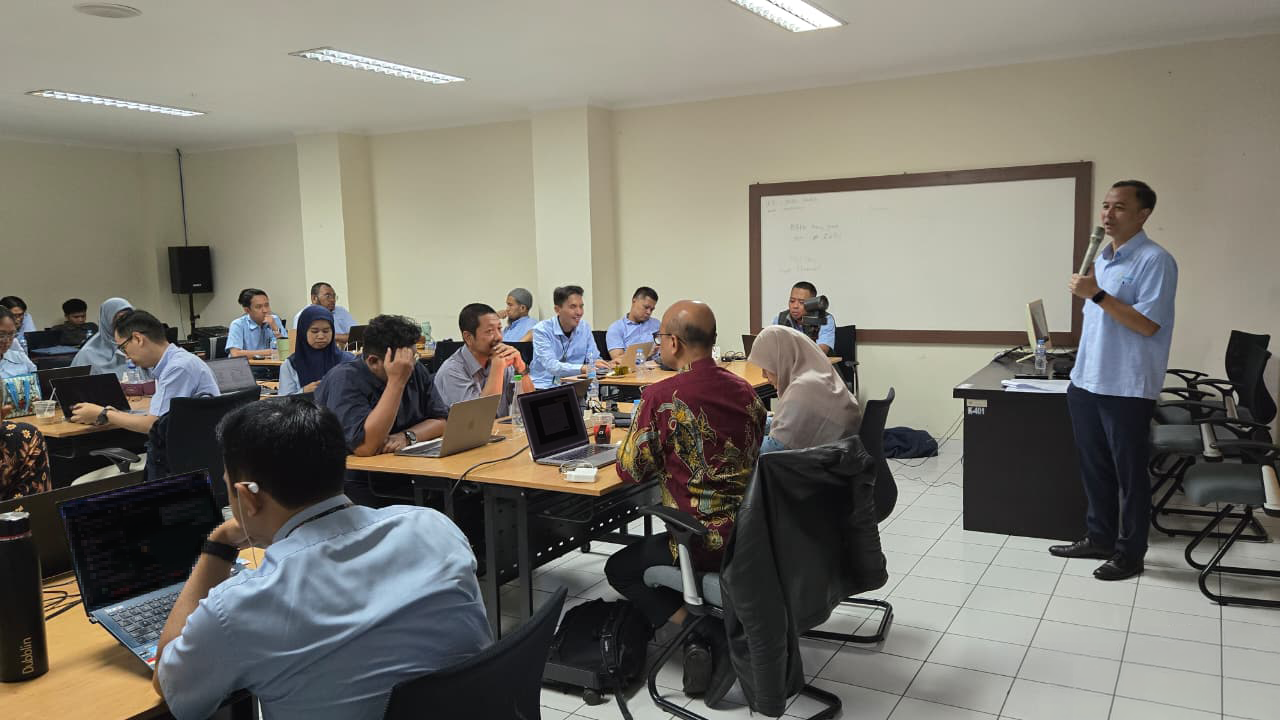
Jakarta, 19 May 2026 - Since April 2026, the Ministry of Health of the Republic Indonesia (MoH Indonesia), in collaboration with the Social Health Insurance Administration Body (BPJS Kesehatan), has initiated a pilot program for the National Health Insurance (JKN) Transformation. This initiative integrates SATUSEHAT Rujukan with BPJS Kesehatan’s proprietary systems, the Integrated Referral Information System (SISRUTE), and other healthcare information platforms. This initiative follows an evaluation of the previous tiered referral system, which identified several inefficiencies.
Through this program, the referral paradigm shifts from a hospital-type classification (Types A, B, C, and D) to a service-capability-based model. This transformation aims to streamline medical bureaucracy, ensuring patients receive timely care from the appropriate specialists without having to navigate multiple referral levels.
The legacy referral system frequently led to inefficient budget utilization and safety risks stemming from patient transfers between healthcare facilities. In contrast, service-capability-based referrals direct patients straight to hospitals possessing the specific capabilities required for their diagnosis, making healthcare delivery more targeted, effective, and efficient.
The Head of the Data and Health Information Technology Center (Pusdatin) at the MoH Indonesia, Eko Sulistijo, emphasized that the JKN transformation is not merely a technological upgrade, but to resolve inefficiencies through the integration of national health information systems.
“With this integration, we expect this integration to improve patient care, increase efficiency, and significantly reduce the administrative burden associated with referrals across healthcare facilities,” Eko stated.
With a more streamlined referral process, the allocation of healthcare funds can now be optimized and concentrated on priority services. This strategy is highly aligned with the government's vision to maintain public health data sovereignty and to ensure that national financing efficiency remains sustainable and properly targeted.
Furthermore, Eko highlighted that this systemic shift will also drive improvements in service standards across all healthcare facilities. “In addition, the implementation of this capability-based referral policy is expected to achieve more than just administrative improvements,” he concluded.
The JKN transformation is executed by integrating SATUSEHAT Rujukan with various health information systems, including the Standard Inpatient Class (KRIS), Indonesian Diagnosis Related Groups (iDRG), the Integrated Referral Information System (SISRUTE), ECLAIM Primary Care (PCare), and VClaim.
The pilot program will be implemented in Bandung, Tulungagung, Muara Enim, and Makassar over the next year. The MoH Indonesia and BPJS Kesehatan continue to perform regular monitoring and evaluation to ensure a smooth transition to the digital referral system for both healthcare professionals and the public prior to its nationwide rollout.
For further information regarding the JKN Transformation, please visit faq.kemkes.go.id and select the "Transformasi JKN" category, or contact the MoH Indonesia WhatsApp chatbot at 0811 10 500 567. For assistance, please contact Halo Kemkes at 1 500 567 or email [email protected].
Through this program, the referral paradigm shifts from a hospital-type classification (Types A, B, C, and D) to a service-capability-based model. This transformation aims to streamline medical bureaucracy, ensuring patients receive timely care from the appropriate specialists without having to navigate multiple referral levels.
The legacy referral system frequently led to inefficient budget utilization and safety risks stemming from patient transfers between healthcare facilities. In contrast, service-capability-based referrals direct patients straight to hospitals possessing the specific capabilities required for their diagnosis, making healthcare delivery more targeted, effective, and efficient.
The Head of the Data and Health Information Technology Center (Pusdatin) at the MoH Indonesia, Eko Sulistijo, emphasized that the JKN transformation is not merely a technological upgrade, but to resolve inefficiencies through the integration of national health information systems.
“With this integration, we expect this integration to improve patient care, increase efficiency, and significantly reduce the administrative burden associated with referrals across healthcare facilities,” Eko stated.
With a more streamlined referral process, the allocation of healthcare funds can now be optimized and concentrated on priority services. This strategy is highly aligned with the government's vision to maintain public health data sovereignty and to ensure that national financing efficiency remains sustainable and properly targeted.
Furthermore, Eko highlighted that this systemic shift will also drive improvements in service standards across all healthcare facilities. “In addition, the implementation of this capability-based referral policy is expected to achieve more than just administrative improvements,” he concluded.
The JKN transformation is executed by integrating SATUSEHAT Rujukan with various health information systems, including the Standard Inpatient Class (KRIS), Indonesian Diagnosis Related Groups (iDRG), the Integrated Referral Information System (SISRUTE), ECLAIM Primary Care (PCare), and VClaim.
The pilot program will be implemented in Bandung, Tulungagung, Muara Enim, and Makassar over the next year. The MoH Indonesia and BPJS Kesehatan continue to perform regular monitoring and evaluation to ensure a smooth transition to the digital referral system for both healthcare professionals and the public prior to its nationwide rollout.
For further information regarding the JKN Transformation, please visit faq.kemkes.go.id and select the "Transformasi JKN" category, or contact the MoH Indonesia WhatsApp chatbot at 0811 10 500 567. For assistance, please contact Halo Kemkes at 1 500 567 or email [email protected].